Complete Guide to Hong Kong Electronic Tax Filing System: Improving Efficiency and Accuracy
2025-04-20 | Chinglink Business, Licensed TCSP (TC009047) · Last reviewed 2026-08-26
Complete Guide to Hong Kong Electronic Tax Filing System: Improving Efficiency and Accuracy
In today's modern business environment, time is money. As an international financial center, Hong Kong has been committed to improving the efficiency of business processes, and the implementation of the electronic tax filing system embodies this concept. This article provides a comprehensive guide to electronic tax filing for Hong Kong businesses, helping you optimize your tax filing process, ensuring accuracy while saving valuable time.
What is Hong Kong's Electronic Tax Filing System?
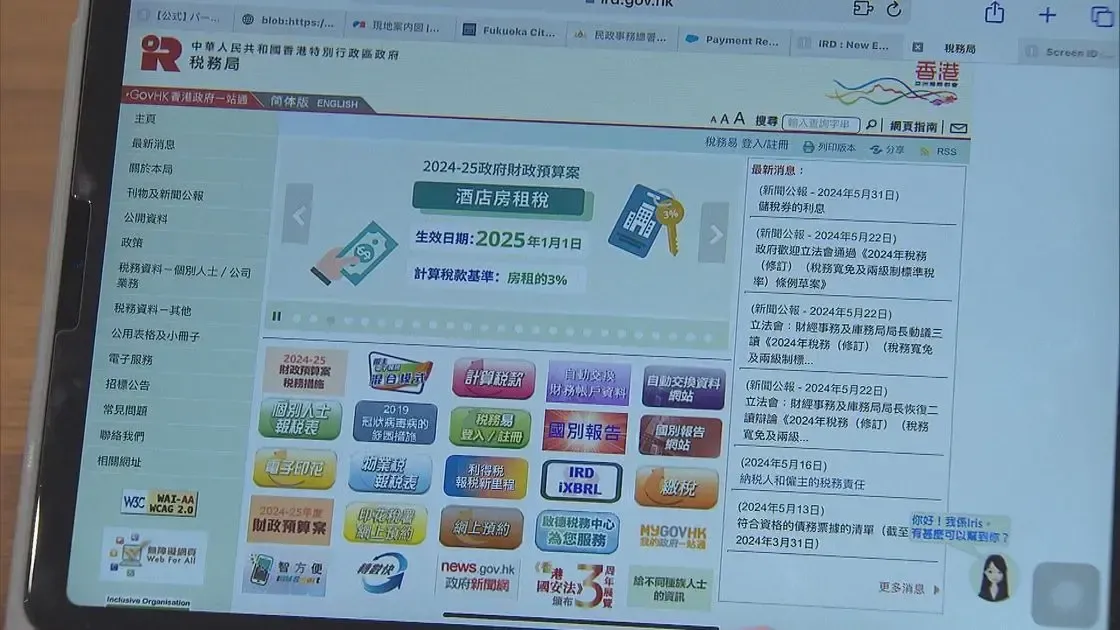
For businesses or individuals new to Hong Kong's tax system, "electronic tax filing" might sound unfamiliar. In simple terms, Hong Kong's electronic tax filing system is an online platform developed by the Inland Revenue Department (IRD) that allows taxpayers to submit various tax forms and documents via the internet. This is not just a submission channel, but a comprehensive tax management tool that allows taxpayers to access past records, obtain the latest tax information, and even make tax payments directly.
Imagine: previously, you needed to fill out paper forms, calculate tax amounts, mail documents, and wait for responses—the entire process could take weeks. Now, all of this can be completed on the electronic platform, greatly reducing processing time while minimizing the possibility of human error.
Main Advantages of the Electronic Tax Filing System
1. Significant Improvement in Time Efficiency
Using the electronic tax filing system, you can say goodbye to queuing and mail delays. The system operates 24/7, not limited by office hours, allowing you to complete your tax filing work at the most convenient time. According to IRD statistics, electronic tax filing saves businesses an average of 40% in tax processing time.
2. Reduces Errors, Improves Accuracy
The system's built-in calculation tools and validation mechanisms can help you automatically calculate tax amounts and check for potential errors in forms before submission. These features greatly reduce the risk of tax filing errors, avoiding potential fines and additional scrutiny due to incorrect filings.
3. Environmental and Cost Benefits
Electronic tax filing not only reduces paper usage, contributing to environmental protection, but also saves businesses costs related to printing, mailing, and archiving. In the long term, this is a change with significant cost benefits.
4. Secure and Reliable Data Protection
The Hong Kong Inland Revenue Department employs advanced encryption technology and multi-layered security measures to ensure the confidentiality and security of all tax data. Compared to the risk of loss or leakage that traditional paper documents may face, the electronic system provides a higher level of data protection.
How to Register and Use Hong Kong's Electronic Tax Filing System
Registration Steps
- Log in to the Business Registration Office Electronic Account: First, visit the IRD website, and click on the "Business Registration Electronic Account" option.
- Fill in the Registration Form: Provide your business registration details, including registration number, company name, contact information, etc.
- Set Up Security Information: Create a password and set security questions for future identity verification.
- Receive Confirmation Notification: After successful registration, you will receive a confirmation email containing usage guidelines and important information.
Usage Tips
- Regularly Update Company Information: Ensure that company information in the system remains up-to-date to avoid missing important notifications.
- Set Reminders: Utilize the system's reminder function to avoid forgetting tax filing deadlines.
- Save Confirmation Receipts: After each submission, be sure to save the confirmation receipt generated by the system as proof.
- Use Electronic Payment: Simplify the tax payment process through the electronic payment options within the system.
Common Tax Forms and Key Points for Electronic Submission
Profits Tax Return (BIR51/52)
Profits tax is the most common tax type faced by Hong Kong businesses. Through the electronic tax filing system, you can:
- Fill out profits tax returns online
- Upload audit reports and calculation sheets
- Track filing status and tax assessment progress Notably, the system will pre-fill some information based on your past filing records, further simplifying the process.
Employer's Return (IR56B)
Employers need to submit employee salary information to the IRD annually. The electronic tax filing system allows:
- Batch uploading of employee information
- Automatic calculation of salaries tax
- Generation of employee tax bill copies This feature is particularly useful for businesses with multiple employees, greatly reducing the workload of human resources departments.
Other Common Forms
- Property Tax Forms: Applicable to companies owning rental properties
- Partnership Business Tax Returns: For specific filing requirements of partnership businesses
- Connected Persons Transaction Declaration Forms: Used to report transactions between connected enterprises
Common Problems and Solutions When Using the Electronic Tax Filing System
System Access Difficulties
Problem: Unable to log in to the system or the system is running slowly.
Solutions:
- Check network connection
- Clear browser cache
- Avoid using the system during peak filing periods (such as the week before the deadline)
- If problems persist, contact the IRD Electronic Services Support Hotline
Document Upload Failures
Problem: Errors encountered when uploading audit reports or other attachments.
Solutions:
- Ensure the document format meets requirements (PDF, JPG formats are typically accepted)
- Check document size (usually limited to 5MB or 10MB)
- Split or compress large files before uploading
Calculation Error Warnings
Problem: The system displays calculation inconsistencies or other warning messages.
Solutions:
- Carefully review the warning content to understand the specific problem
- Recheck the data entered
- Refer to the calculation guidelines provided by the IRD to ensure accuracy
Future Development: Trends and Innovations in Electronic Tax Filing
The Hong Kong Inland Revenue Department continuously enhances the functions of the electronic tax filing system. Recent and expected developments include:
AI-Assisted Tax Filing
The IRD is exploring the application of AI technology to provide more intelligent tax filing suggestions and automated error detection. This may include intelligent prompts based on a company's historical data, helping businesses file taxes more accurately.
Potential Application of Blockchain Technology
Blockchain technology may be introduced to the electronic tax filing system in the future, providing a higher level of security and transparency. This will be a significant advancement for businesses that need to handle sensitive financial data.
Cross-Border Tax Integration
With the development of the Greater Bay Area, the Hong Kong IRD may strengthen integration with mainland China and Macau tax systems, simplifying the tax filing process for businesses operating in multiple locations.
How to Get the Most Value from Electronic Tax Filing
Integration with Accounting Systems
Link your accounting software with the electronic tax filing system to achieve automatic data synchronization, not only saving time but also reducing data entry errors. Many accounting software on the market already provide integration features with Hong Kong's tax system.
Continuous Professional Development
Tax laws and filing systems are constantly updated; staying informed about the latest changes is crucial. Consider attending seminars and training organized by the IRD, or hiring professional accountants for regular consultancy guidance.
Make Good Use of IRD Resources
The IRD website offers rich guidelines, FAQs, and demonstration videos, all valuable learning resources. Regularly reviewing these materials can help you use the electronic tax filing system more effectively.
Conclusion: Embrace Digital Transformation, Optimize Tax Management
The electronic tax filing system represents the future of Hong Kong tax management. By adopting this advanced tool, businesses can not only improve tax filing efficiency and accuracy but also free up valuable resources to focus on core business development.
In the wave of digitalization, changing tax filing methods is no longer a choice, but a necessity. Businesses that can fully utilize the electronic tax filing system will gain additional advantages in an increasingly competitive business environment.
We encourage all Hong Kong businesses to actively try the electronic tax filing system and experience the efficiency improvements and management convenience it brings. If you need further assistance or professional guidance, Chinglink's professional team is ready to provide support, helping you successfully complete the electronic tax filing process and achieve digital transformation in tax management.
Need professional company secretarial, accounting, and tax services? Contact Chinglink. Our team of experts will provide you with tailored solutions to help your business thrive in Hong Kong.
Questions about this?
Talk to a licensed company secretary — no charge, no obligation.
Chat on WhatsApp