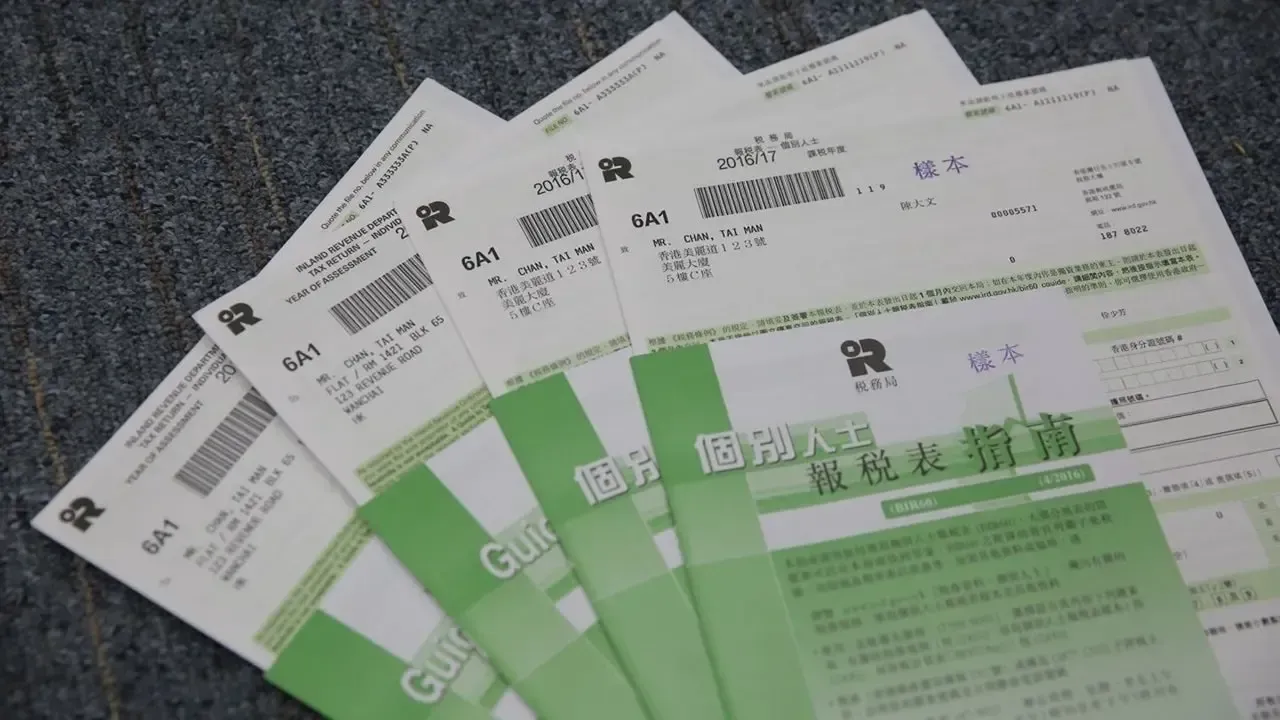
Complete Guide to Hong Kong Profits Tax Filing: Common Mistakes and How to Avoid Them
2025-05-02 | Chinglink Business, Licensed TCSP (TC009047) · Last reviewed 2026-08-26
Complete Guide to Hong Kong Profits Tax Filing: Common Mistakes and How to Avoid Them
Hong Kong's tax system is world-renowned for its simplicity, low tax rates, and territorial source principle. However, many businesses still make mistakes in the profits tax filing process each year, leading to unnecessary penalties, audits, or even legal issues. Whether you're an experienced business owner or a new entrepreneur starting in Hong Kong, understanding the details of profits tax filing and common pitfalls can save your business considerable trouble and expense.
Basics of Hong Kong Profits Tax
Hong Kong adopts the territorial source principle, meaning only profits derived from Hong Kong are subject to profits tax. According to the Inland Revenue Department website, the current profits tax rates are:
- For corporations: 8.25% on the first HK$2 million of assessable profits, and 16.5% on the remainder
- For unincorporated businesses: 7.5% on the first HK$2 million of assessable profits, and 15% on the remainder This two-tier tax rate system is particularly beneficial for SMEs, but note that only one enterprise within a group of connected entities can enjoy this preferential rate.
Common Profits Tax Filing Mistakes
1. Failing to Distinguish Between Capital and Revenue Expenditures
Many companies incorrectly classify capital expenditures as revenue expenditures when filing. Under Hong Kong tax law, only revenue expenditures are tax-deductible, while capital expenditures are not (though certain qualifying capital expenditures like eligible machinery and equipment may qualify for capital allowances).
Example:
Investment in office renovation is typically considered a capital expenditure and cannot be directly deducted, while routine office maintenance costs are revenue expenditures and can be deducted.
2. Incorrectly Reporting Offshore Income
Given Hong Kong's territorial source principle, many businesses attempt to declare income as "offshore income" to avoid taxation. However, the Inland Revenue Department scrutinizes such claims strictly, and businesses must provide sufficient evidence to prove that the income genuinely originates outside Hong Kong.
How to Determine the Source of Income:
- Trading profits: Usually based on where the sales contracts are concluded
- Service income: Usually based on where the services are performed
- Commission income: Usually based on where the activities take place Blindly declaring all income as offshore income is a common mistake that may trigger investigations by the tax authorities.
3. Inadequate Accounting Records
Under the Business Registration Ordinance and the Companies Ordinance, Hong Kong companies must maintain proper accounting records. Incomplete or inaccurate records can lead to tax issues and may violate legal requirements.
The Hong Kong Institute of Certified Public Accountants provides accounting standards guidelines. Adhering to these standards ensures your accounting records comply with legal requirements.
4. Incorrect Handling of Related-Party Transactions
Transactions with related parties (such as group companies, shareholders, or directors) must be conducted at arm's length. The Inland Revenue Department pays special attention to such transactions to ensure they are not used for tax avoidance.
Example:
Selling products to related overseas companies at unreasonably low prices or purchasing services at inflated prices may be questioned and adjusted by the tax authorities.
5. Late Submission of Tax Returns
The Inland Revenue Department issues profits tax returns in early April each year, and companies typically have one month to file. Late submissions not only result in penalties but may also harm the company's reputation.
How to File Profits Tax Correctly
1. Establish a Good Accounting System
Invest in professional accounting software and personnel to ensure the accuracy and completeness of financial records. A good accounting system not only aids in tax filing but also provides valuable business insights.
2. Consult Tax Experts Promptly
Tax laws are complex and frequently change. When in doubt, seeking advice from professional tax consultants is wise. Tax consultants can help ensure compliant filing and offer legitimate tax-saving suggestions.
3. Maintain Sufficient Documentation and Evidence
Especially for offshore income claims, retain adequate evidence such as contracts, meeting minutes, and travel records to support your filing position.
4. Understand Deductible Items
Make full use of various tax-deductible items allowed under Hong Kong tax law, such as depreciation allowances, additional deductions for R&D expenses, and charitable donations. The Inland Revenue Department website provides a complete list of deductible items.
5. Plan Ahead
Tax planning should be part of your overall business strategy. Early planning can help optimize your business structure and legally reduce your tax burden.
Future Trends in Profits Tax Filing
The global tax environment is changing, and Hong Kong is no exception. Here are some trends that may impact Hong Kong profits tax filing in the future:
1. Digital Tax Management
The Inland Revenue Department is moving towards digitalization to improve the efficiency of tax filing and management. Businesses should prepare for this shift by investing in digital accounting and tax systems.
2. Enhanced International Tax Cooperation
With increasing global tax transparency, Hong Kong has joined international agreements on the automatic exchange of financial account information. This means multinational companies' tax arrangements will face stricter scrutiny.
3. Tax Incentives
The Hong Kong government frequently introduces tax incentives to support specific industries or activities. For example, additional tax deductions for qualifying R&D activities and tax incentives for green investments. Businesses should stay informed about these opportunities.
Profits Tax Filing: Advice for Startups
For businesses newly established in Hong Kong, here are some specific recommendations:
1. Develop Good Financial Habits from the Start
Even small startups should establish formal financial record-keeping systems from the outset. This not only aids in tax filing but also helps you better understand and manage your business.
2. Understand Special Tax Issues for Startups
Startups often incur operating losses in their early years. These losses can be carried forward to offset future taxable income. Understanding how to properly record and utilize these losses is crucial.
3. Seek Professional Help
Consider hiring professional company secretarial services. They can assist not only with tax filing but also provide comprehensive services like compliance management.
Conclusion
While Hong Kong's tax system is relatively simple and features low tax rates, careful handling is still required to avoid unnecessary problems. By understanding common mistakes and taking appropriate preventive measures, you can ensure your business's profits tax filing is both compliant and optimized.
As the business environment and tax laws continue to evolve, ongoing learning and seeking professional advice become increasingly important. Hong Kong business owners should view tax compliance as a fundamental part of business operations, not just an annual routine.
If you need professional profits tax filing services or company secretarial support, Chinglink offers comprehensive accounting and tax services to help your business operate compliantly and optimize tax arrangements. Our professional team has extensive experience in Hong Kong taxation and can tailor the most suitable tax solutions for your business.
Contact us today to learn how we can help your business file taxes with peace of mind!
Questions about this?
Talk to a licensed company secretary — no charge, no obligation.
Chat on WhatsApp